Trying to choose between open land and a neighborhood with shared amenities in Parrish? You are not alone. This is one of the biggest lifestyle decisions buyers make in this part of Manatee County, because Parrish offers both rural-style acreage and newer HOA communities in the same market. If you are weighing privacy against convenience, freedom against structure, or long-term upkeep against shared maintenance, this guide will help you sort through the tradeoffs. Let’s dive in.
Why Parrish Gives You Both Options
Parrish is a large unincorporated area of Manatee County with a mix of housing styles and land types. Census Bureau profile data for the Parrish CCD shows 34,608 residents, 18,078 housing units, and about 302 square miles of land area.
That size helps explain why your search can include everything from larger rural parcels to planned communities with neighborhood amenities. Manatee County is also investing in the area through the Parrish Area Improvement District and the Parrish Sewer Expansion Project, which adds another layer to how buyers think about future growth and utility access.
What Acreage in Parrish Can Offer
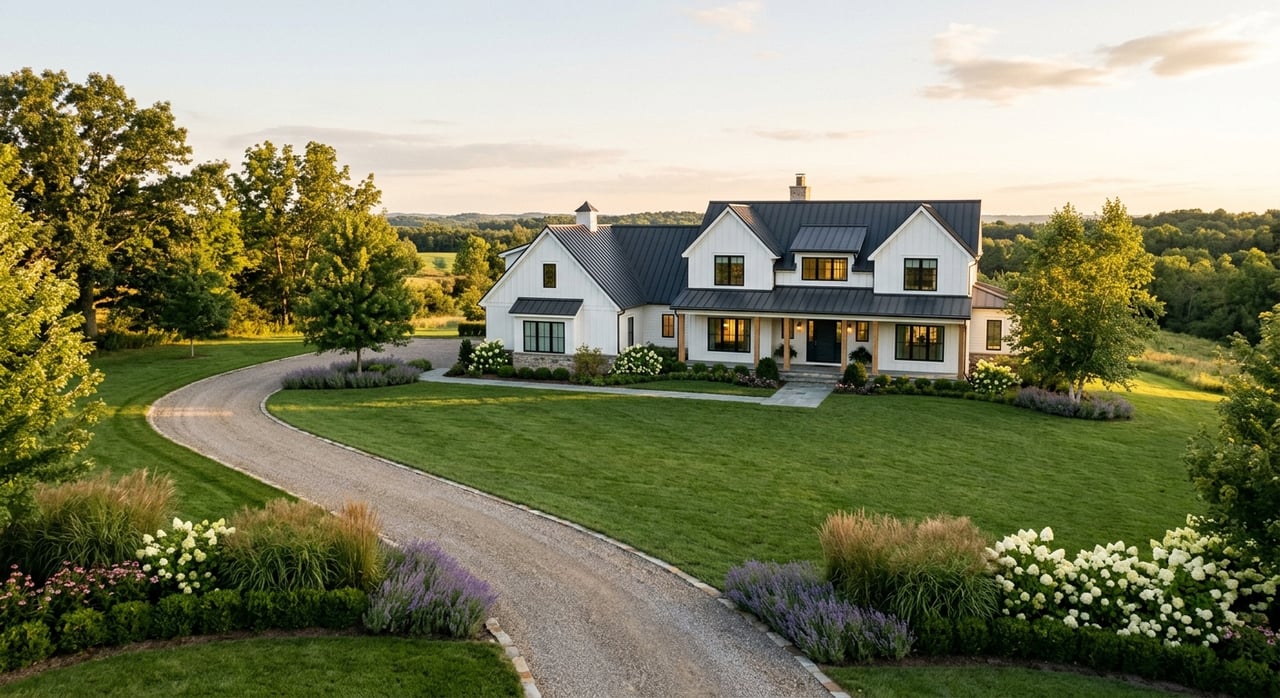
Acreage often appeals to buyers who want more breathing room and more control over how they use their property. In Parrish, that can mean space for gardens, outbuildings, animals, or simply more privacy from nearby homes.
For many buyers, the biggest draw is flexibility. If your goal is a property that feels more rural and less standardized, acreage may line up better with your day-to-day lifestyle.
Privacy and outdoor space
Larger parcels can give you separation from neighbors and more room to spread out. That extra space may work well if you want a workshop, room for recreation, or a setting that feels quieter and more private.
It can also create more options for how you enjoy the land over time. A property that works for you now may also adapt as your needs change.
Agricultural and animal uses
Manatee County’s Land Development Code says the General Agriculture district is intended to preserve agricultural lands and support agricultural economic activity. The code also treats stables and equestrian centers as agricultural uses.
That does not mean every acreage property automatically allows every land use you have in mind. If you want horses, livestock, or other agricultural uses, you should verify parcel-specific zoning and check for any recorded deed restrictions before moving forward.
More customization potential
Acreage can be a strong fit if you want more say in how a site is improved. Buyers who want to add structures or make bigger outdoor changes are often drawn to land where there may be fewer neighborhood-style appearance rules.
Still, more freedom does not mean no rules. County zoning tables, setback requirements, and other land development standards still apply, so structures cannot simply be placed anywhere on the parcel.
What Acreage in Parrish Requires From You
The upside of land usually comes with more due diligence and more ongoing responsibility. This is where many buyers benefit from slowing down and looking past the initial appeal of a bigger lot.
Acreage purchases tend to be more site-specific than homes in a typical subdivision. What works on one parcel may not work the same way on the next.
Flood zones and site conditions
Manatee County provides a flood tool that lets you search by address or parcel ID for flood zone information, base flood elevation, and related warnings. The county also notes that floodplain rules can affect remodeling or rebuilding.
If a structure is in an A, AE, or VE flood zone and the mortgage is federally backed, flood insurance is required. That is an important cost and planning factor to review early, especially when comparing one acreage property to another.
Wetlands, wells, and septic
County environmental guidance says wetland protection is part of Manatee County’s development review framework. Development sites with wells also trigger a well management plan.
If a property uses a private well, that well needs ongoing testing and protection. If the home is on septic, the system needs regular inspection and pumping. These are manageable tasks, but they are still part of the long-term ownership picture.
Utilities and maintenance
Manatee County utilities serve unincorporated areas with potable water, wastewater, reclaimed water, and solid waste. Even so, utility availability can vary from property to property, especially when you compare larger parcels with homes in newer communities.
That is why utility access should be part of your early checklist. You want to know whether the property is connected to public services, uses private systems, or may require additional planning depending on your goals.
What HOA Communities in Parrish Can Offer
HOA communities often appeal to buyers who want convenience, shared amenities, and a more predictable neighborhood framework. If you prefer a home where some exterior standards and common-area upkeep are already organized, this option may feel simpler.
For many buyers, HOA living is less about giving something up and more about choosing a different kind of support structure. It can make day-to-day ownership feel more streamlined.
Shared amenities and upkeep
HOA communities may include features like pools, clubhouses, landscaping, and maintained common areas. HOA fees often help fund routine maintenance, shared amenities, reserves, and sometimes special assessments.
If you like the idea of shared spaces and less personal responsibility for certain exterior tasks, this can be a real advantage. It may also create a more consistent look from home to home.
A formal rule structure
In Florida, homeowners associations are governed by Chapter 720. The law covers areas such as official records, budgets, financial reporting, assessments, architectural control covenants, fines, dispute resolution, and record-inspection rights.
In practical terms, this means HOA communities usually come with established procedures and enforceable rules. That structure can feel helpful if you value consistency and want clearer expectations about how the community operates.
What HOA Communities Ask in Return
The tradeoff for convenience is usually less autonomy and more shared financial obligation. That does not make HOA living better or worse. It just means you should understand the rules and costs before you fall in love with a home.
This is especially important in Parrish, where buyers often compare HOA neighborhoods directly against larger non-HOA parcels.
Monthly or recurring costs
HOA dues may cover useful services, but they are still part of your monthly housing budget. You will also want to understand whether the community has healthy reserves and whether there is a history or risk of special assessments.
A lower purchase price does not always mean lower total ownership cost if fees are significant. Looking at the full picture matters.
Exterior restrictions
Chapter 720 allows associations to enforce reasonable rules, including some limits on exterior changes. That can affect landscaping choices, paint colors, additions, fences, or other visible improvements depending on the governing documents.
If you want flexibility to make outdoor changes without review, an HOA may feel limiting. If you prefer a more uniform look and process, the same rules may feel reassuring.
Watering rules still matter
Manatee County adds an important local detail for HOA buyers. The county’s current watering FAQ says HOAs may not enforce rules that require increased water use or penalize residents for following county watering restrictions.
That matters if you are comparing a landscaped neighborhood with a larger lot that may also need irrigation planning. No matter which path you choose, local watering limits are part of ownership in Parrish.
How To Compare Acreage and HOA Living
The best choice usually comes down to your lifestyle, your budget, and how much hands-on responsibility you want. Instead of asking which option is better, ask which one fits you better.
A simple side-by-side comparison can make the decision easier.
| Factor | Acreage in Parrish | HOA Community in Parrish |
|---|---|---|
| Privacy | Often more separation and open space | Usually closer homes and shared community design |
| Outdoor use | More potential flexibility, subject to zoning and restrictions | Often limited by HOA rules and review processes |
| Amenities | Usually property-specific rather than shared | May include pools, clubhouses, landscaping, and common areas |
| Maintenance | More owner responsibility | Some shared upkeep may be covered by HOA fees |
| Costs to review | Flood, well, septic, wetlands, utility access, site work | HOA dues, reserves, assessments, and rule compliance |
| Customization | Often higher potential, subject to county rules | Usually more structured approval standards |
Questions To Ask Before You Tour
Going into tours with the right questions can save you time and help you compare homes more clearly. In Parrish, these details often matter as much as the house itself.
Bring a checklist and use it consistently from one property to the next.
For acreage properties
- What is the current zoning?
- Are there deed restrictions?
- Is the property in a flood zone?
- Are there wetlands or other site constraints?
- Is the home on public utilities, private well, septic, or a mix?
- If you want animals or agricultural use, is that allowed for this specific parcel?
- What setbacks or placement rules affect future structures?
For HOA communities
- What are the current HOA dues?
- What do the dues cover?
- Are there reserves?
- Is there any history or risk of special assessments?
- What architectural or exterior rules apply?
- Are there rules that affect landscaping or visible outdoor changes?
- What records can you review before closing under Chapter 720?
Which Option Fits Your Lifestyle Best?
If you want space, privacy, and more control over how you use your land, acreage may be the better fit. That is especially true if you are comfortable doing more upfront research on zoning, flood zones, wetlands, utilities, and long-term maintenance.
If you want shared amenities, maintenance support, and more predictable exterior standards, an HOA community may be the better match. That can be especially appealing if you want a simpler ownership routine and do not need as much outdoor flexibility.
In Parrish, there is no one-size-fits-all answer. The right choice is the one that matches how you actually want to live, not just what looks good on paper.
When you are comparing acreage and HOA homes, the details matter. That is where practical local guidance can make the process feel a lot clearer. If you want help weighing zoning, flood factors, utilities, HOA documents, or day-to-day lifestyle fit, reach out to Houses with Hart I Paul, Stacey and Andrew Hart.
FAQs
What is the main difference between acreage and HOA communities in Parrish?
- Acreage usually offers more privacy, land use flexibility, and room to customize, while HOA communities usually offer shared amenities, maintenance support, and a more formal set of neighborhood rules.
What should you check before buying acreage in Parrish?
- You should review zoning, deed restrictions, flood zone status, utility availability, septic or well status, wetlands, and any setback or placement rules that could affect future plans for the property.
What do HOA fees typically cover in Parrish communities?
- HOA fees often help pay for landscaping, routine maintenance, common areas, reserves, shared amenities, and in some cases special assessments, depending on the community.
Can an HOA in Manatee County require landscaping that uses more water?
- No. Manatee County says HOAs may not enforce rules that require increased water use or penalize residents for complying with county watering restrictions.
Can you keep horses or livestock on acreage in Parrish?
- It depends on the parcel. Manatee County zoning may allow certain agricultural uses, but you should verify the specific zoning and any recorded deed restrictions before assuming animals are allowed.
Is buying acreage in Parrish more complex than buying in an HOA?
- It can be, because acreage often requires more site-specific due diligence related to flood zones, wetlands, utilities, wells, septic systems, and land-use rules, while HOA homes usually require closer review of fees, reserves, assessments, and community restrictions.